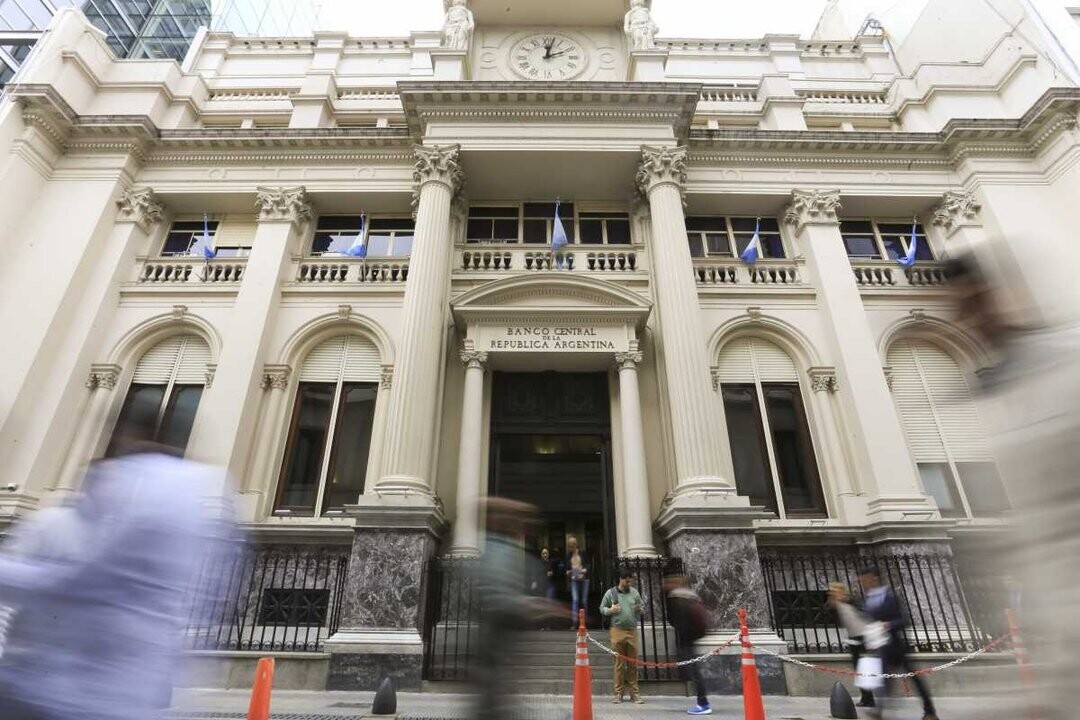
Buenos Aires, February 11 (NA) – The possibility that the Central Bank might advance a key regulatory change, implemented after the 2001 crisis, began to circulate in the financial market. The version indicates that the Central Bank's board of directors would take the measure at its meeting this Thursday, according to Argentine News Agency. This change would enable banks to grant loans in dollars—pledged, mortgage, and of various kinds—to individuals and companies in the domestic market that do not generate foreign currency directly, eliminating or drastically flexing the prudential and exhaustive restrictions imposed after the 2001 crisis, reported Ambito.com. The decision would be applied as a complementary measure to the Tax Innocence Law (Law No. 27,799), already regulated by Decree 93/2026, whereby the BCRA seeks to allow the loan applicant not to need to demonstrate genuine dollar income—a requirement in force for pre-financing and export financing. As Minister of Economy Luis Caputo has been stating, the Government is betting on a virtuous stimulation of re-monetization in dollars as a catalyst for the real economy. The objective would be to channel idle foreign exchange into productive and consumption credit in a context of a controlled dollar under mobile bands.